Direct answer: In your first week, protect stamina, make storage, plant only what you can water, meet villagers along useful routes, and unlock several income sources instead of betting everything on one crop.
Requirements
- A new or early save
- Room for a chest near the farm exit
- A willingness to leave some stamina for detours
Step-by-step
- Clear only the farm space you need now
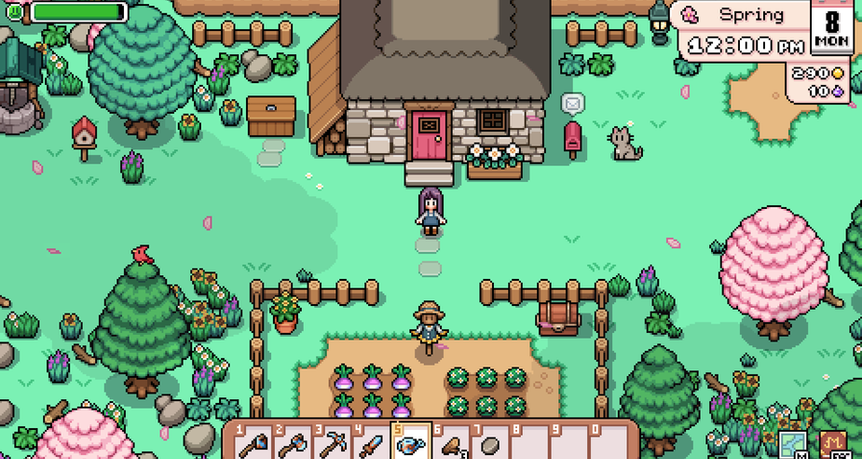
- Plant a manageable crop patch
- Carry the basic tools that match the day’s goal
- Donate the first new specimen before selling duplicates
- Talk to villagers already on your route
- End with a short fishing, forage, or mine loop when stamina allows
Common reasons it does not work
- Check: Clearing the whole farm before infrastructure exists
- Check: Selling every first-time museum item
- Check: Planting more tiles than you can water comfortably
- Check: Spending all money before keeping an upgrade buffer
Related items and places
Open the crop table before buying a large seed stack, the fish table when a weather window appears, the museum checklist before selling a first copy, and the early quest guide when an unlock is missing.
Current-update notes
The routing principles are evergreen; exact unlock days and rewards should be checked against the current release.
FAQ
Should I donate or sell the first copy of an item?
Donate the first new fish, insect, artifact, crop, or forage unless an active story quest needs it immediately. Sell duplicates after the museum slot is filled.
How many crops should I plant in the first week?
Only as many as you can water without exhausting the stamina needed for wood, stone, fishing, and exploration. A smaller fully tended field is better than a huge patch that blocks every other unlock.
What should stay in the inventory every day?
Carry the tools for the day’s route, one cheap stamina food, and enough free slots for new specimens. Leave rare gifts and upgrade materials in labeled chests.
A practical first-week rhythm
Begin each morning with crops and animals, check mail and the request board, then choose one main trip. Trying to mine, fish, forage, socialize, and shop every day creates more walking than progress. A focused day still leaves room to talk to villagers along the route.
| Day type | Main objective | Bring home |
|---|---|---|
| Mine day | Elevator progress and ore | Ore, stone, monster drops |
| Fishing day | New catches and sale value | Museum fish, cooking fish, cash |
| Town day | Quests, shops, relationships | Unlocks, recipes, friendship |
| Farm day | Planting, buildings, storage | A cleaner routine for future days |
Spend in this order
Buy only the seeds you can water comfortably. Reserve money for bag space, necessary story purchases, and the next tool bottleneck. Extra field size is less useful than an upgrade that saves energy every morning.
Items beginners should keep
Keep one copy of every new crop, fish, insect, artifact, forage item, and monster drop until the museum and current requests are checked. Store ore needed for the next tool tier before gifting or selling it. A labeled chest beside the shipping bin prevents accidental sales.
When the day goes wrong
There is no need to restart because a route was inefficient. Finish the highest-value task nearby, return with enough time to organize inventory, and make tomorrow’s objective clearer. Seasonal misses matter; ordinary low-profit days do not.
Continue with tool upgrades, best skills, money making, and the quest progression checklist.